The Development of the Role of Mosques in Az-Zawiya
DOI:
https://doi.org/10.65893/esr.v3i18.103Keywords:
Mosque development, Islamic architecture, Architectural heritageAbstract
This research examines the development of mosque architecture in the city of Az-Zawiya in western Libya, from the monarchical era (1951) to the post-2011 period, employing a descriptive survey methodology. The study aims to document the history of both ancient and modern mosques and compare their architectural features. The findings indicate that mosques from the monarchical era were characterized by simplicity, local character, and influences from Morocco and Andalusia. In contrast, mosques built between 1969 and 2011 featured grander scales, spaciousness, and rich ornamentation, while the post-2011 period reflected architectural diversity alongside a resurgence of local community funding and restoration efforts. The research confirms the continued religious and educational role of mosques despite challenges, and recommends documenting ancient mosques, prioritizing scientifically-based restoration, encouraging academic studies, and raising public awareness about the importance of architectural heritage.
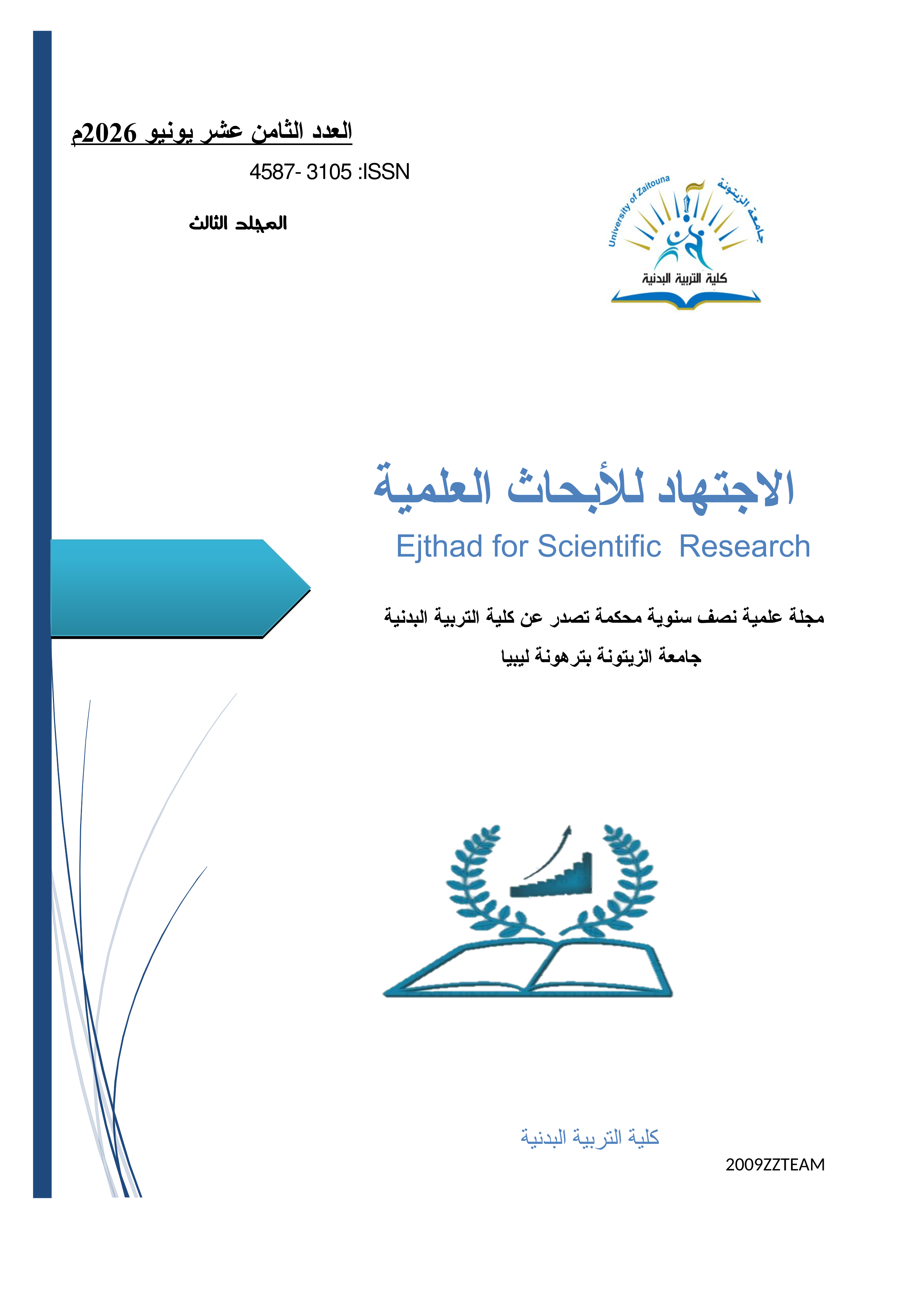
Downloads
Published
Issue
Section
License

This work is licensed under a Creative Commons Attribution-NoDerivatives 4.0 International License.






 info@ejthad.ly
 Ejthad.ly
  +218 92-5058874
 Content on this site is licensed under a Creative Commons